UPDATE FROM THE SIGN BARN: It goes without saying times have been busy. I mean - how many people do you know who proclaim just how easy and slow life is for them?! Regardless of how busy I have been, it’s important to provide my audience with some updates.
Moving forward, I’ve decided to treat my blog as a tool to feature one sign at a time. My AHDH brain wants to simply dump a ton of photos into a post and tell you to “enjoy looking” at them. However, the faint rational voice is telling me to keep things simple. I’ll choose to listen to that distant cry and bite off one (just one) sign at a time. To that end, here we go…
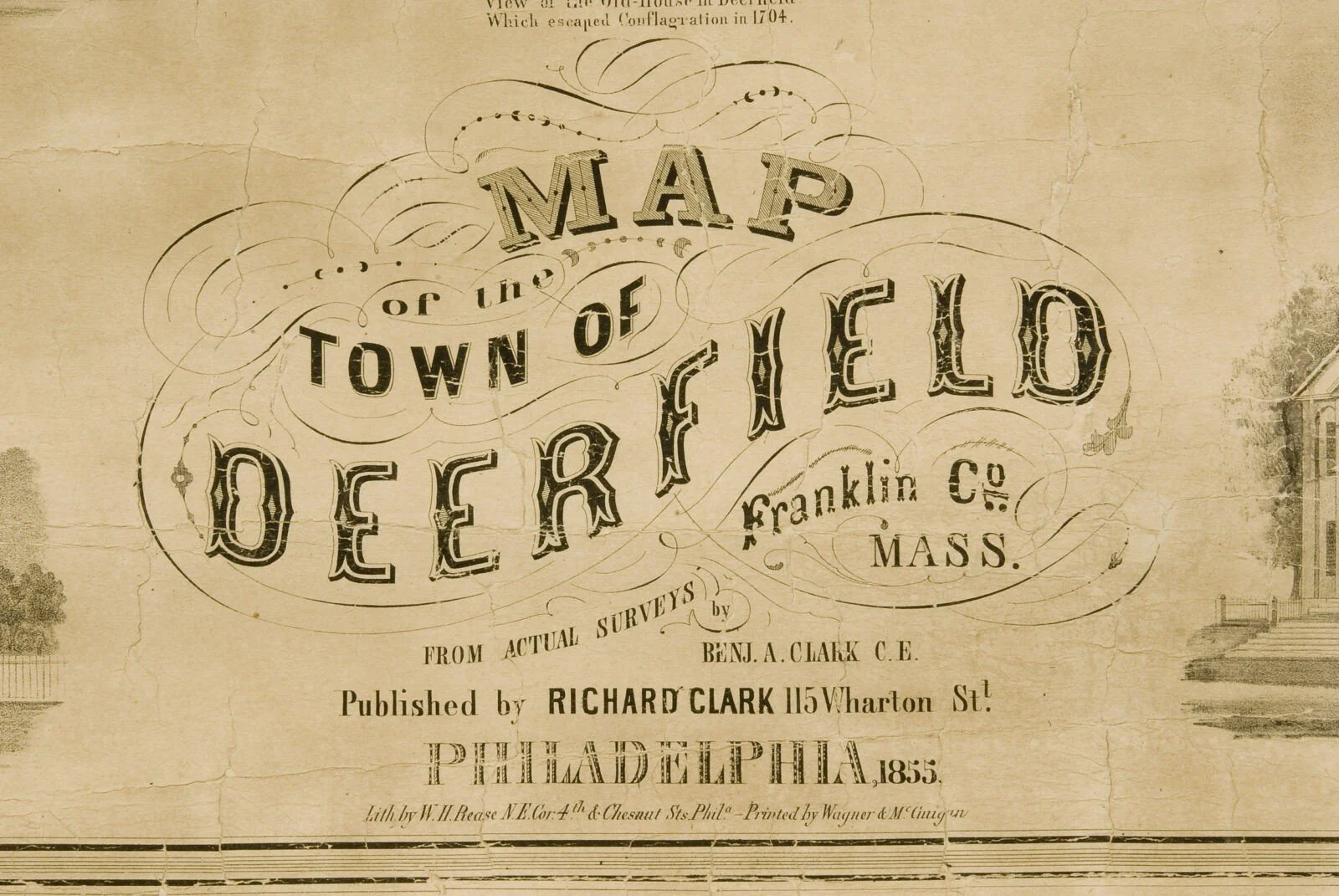
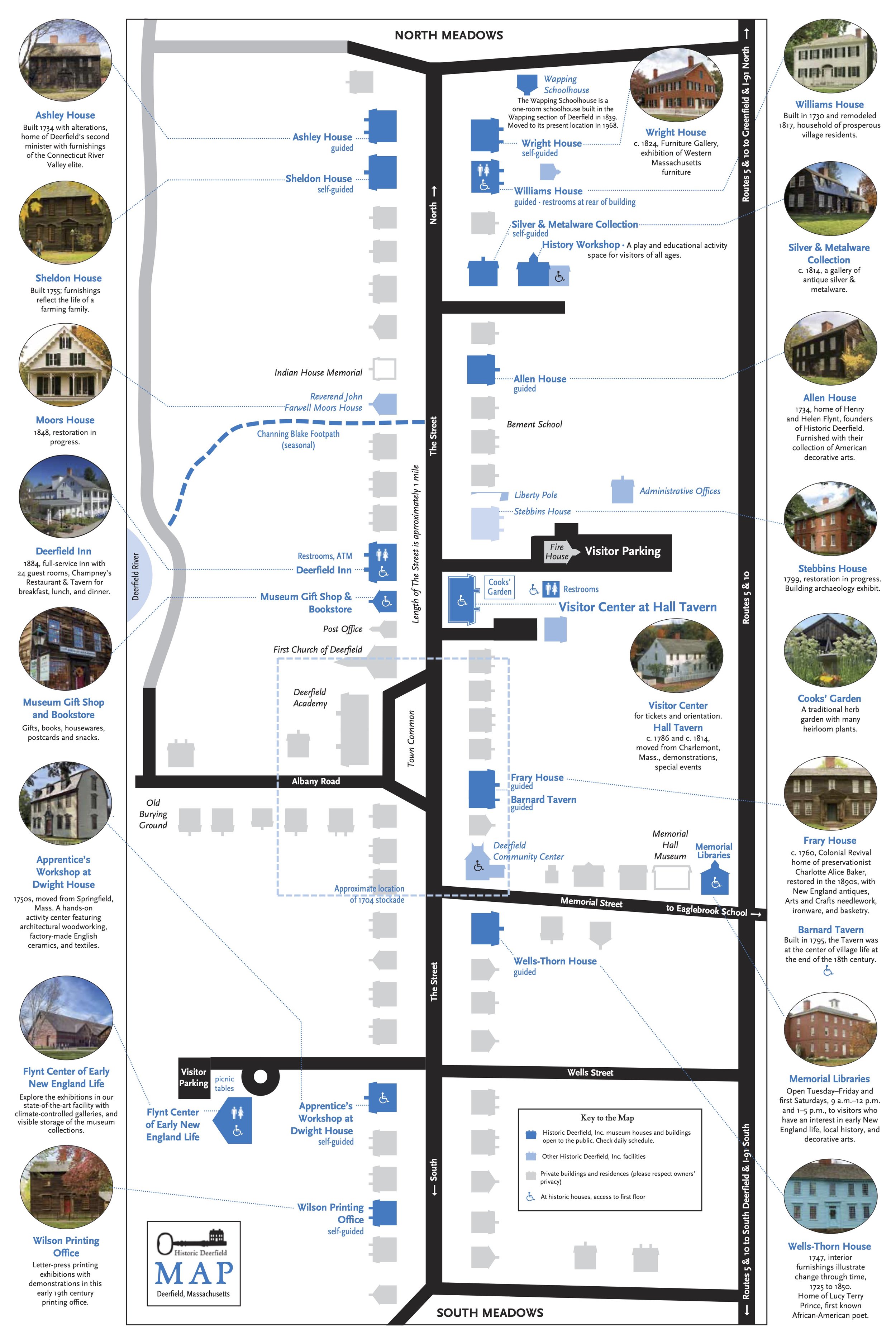
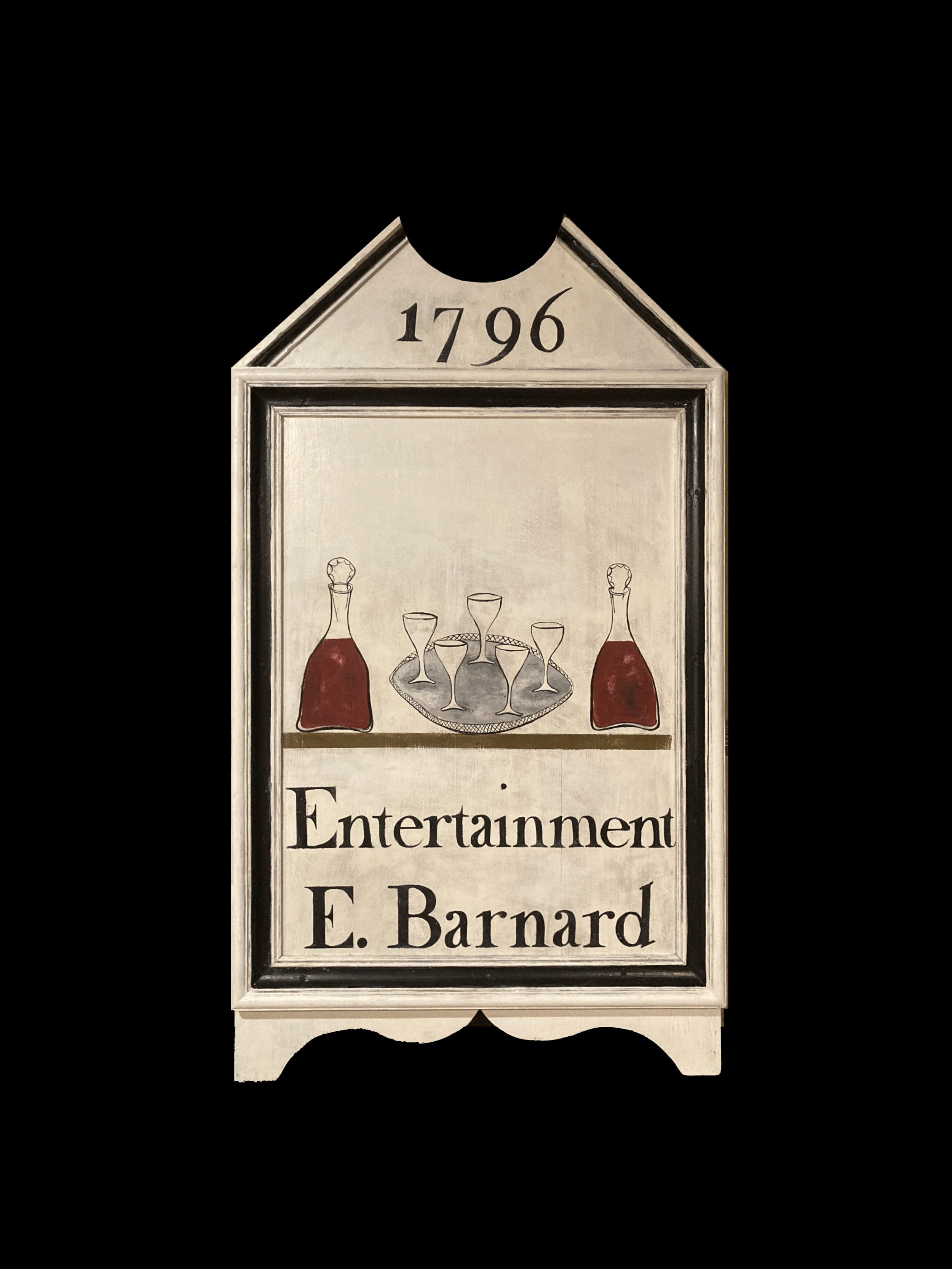
I had the privilege of being commissioned by a curatorial team from Historic Deerfield to recreate a tavern sign for the Barnard Tavern. https://www.historic-deerfield.org/house/barnard-tavern/
Here is a little history on the Barnard Tavern
Built in 1795 as an addition to the Frary House, the Barnard Tavern stood at the heart of village life in Deerfield at the close of the 18th century. As improved roads and canals in the early 19th century expanded transportation and communication across the young nation, the tavern became a vital link between the town and the wider world. It was a place where local residents encountered stagecoach drivers, itinerant artisans, and drovers, and where both townspeople and travelers gathered to exchange news and opinions, conduct business, read mail and newspapers, and post broadsides. The tavern offered lodging for visitors, meals prepared in the kitchen, and drinks served in the bar room. Its upstairs assembly room hosted dances, plays, court sessions, meetings, and auctions, and was also the site of the first meeting of the trustees of Deerfield Academy.



Planning and Research
Working closely with a team of historical experts from Historic Deerfield, I composed a tavern sign that aligned with the historic record and overall regional style. The central motif in the design was garnered from an existing sign that is part of the Deerfield collection. It is a double-sided sign that features the name “John Burk” - the man who most likely served as the innkeeper of the tavern from which it belonged.
We would use this as the primary historical prototype when designing the sign. Upon examining this original sign, it was very difficult to discern the motif, but - after considerable study - we were able to determine that it depicted a serving tray of empty wine vases flanked by a pair of wine carafes filled with red wine.


A Note About Nature & Time
Let’s face it - It’s a small wonder that any old sign has survived the ravages of the harsh elements, war, changes in style and/or the common practice of being discarded when no longer needed. These signs are made of wood and most are fashioned very specifically towards a particular owner and/or tavern keeper. There’s something rather fascinating about these old signs I have learned, which has to do with the manner in which Mother Nature ages them. The surface of a decent number of them exhibit slightly raised (relieved) areas… as if these signs had been carved. The letters and numbers and designs of such signs appear dimensional.
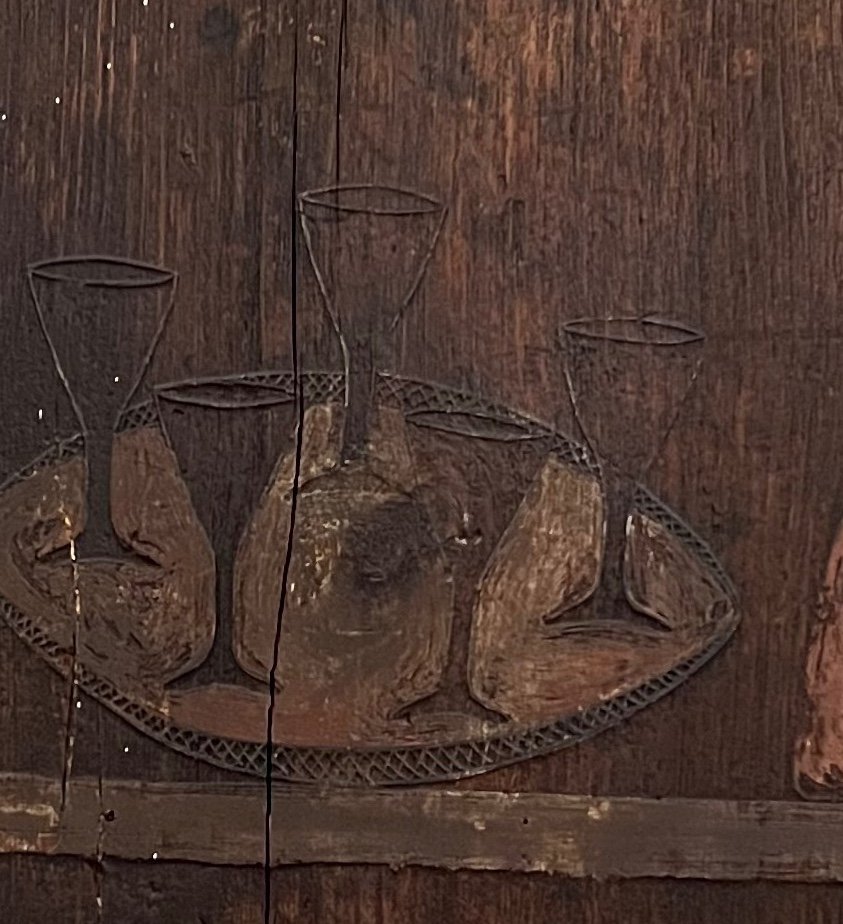


The reason for this has to do with the protective nature of paint. Allow me to explain. Let’s say we paint a sign with a coat of white paint. On top of this base coat, we paint a design, including the name of the tavern, the innkeeper and date. Over the years, the harsh elements take their toll on the sign. The base coat of white paint will most likely be the first thing to go, reducing the surface to bare wood. The lettering and design layers applied on top of this base coat will be better preserved, due to the fact that they consist of additional layers of paint.
Some modern-day help
Using several digital applications within my MacBook, I was able to toggle with the contrast and exposure levels - revealing subtle nuances that were not otherwise present in the original images. Although such measures confirmed our confidence level in the motif being a serving tray of empty wine vases and carafes filled with red wine, there were several areas that remain a mystery… the full details lost through time.
Using Other Documentary Evidence
The pediment on the Burk Tavern sign (being used as our primary historical framework) was in a state of disrepair. The historical team at Deerfield recommended calling upon a grouping of extant signs prevalent in the wider Connecticut River Valley within the same general time period. They were successful in locating several tavern signs from the CRV that feature a triangular pediment with a cut-out at the top. These signs are as follows
The Abiel Walker sign from Charlestown, NH [left]
The R Hays sign from West Brattleboro, VT [middle]
A sign in the collection of the Worcester Historical Museum (Worcester, MA) [right]


All three of these signs contain this design feature and everyone on the team agreed that the incorporation of this feature would result in a more ‘finished’ design aesthetic for this reproduction.
Construction
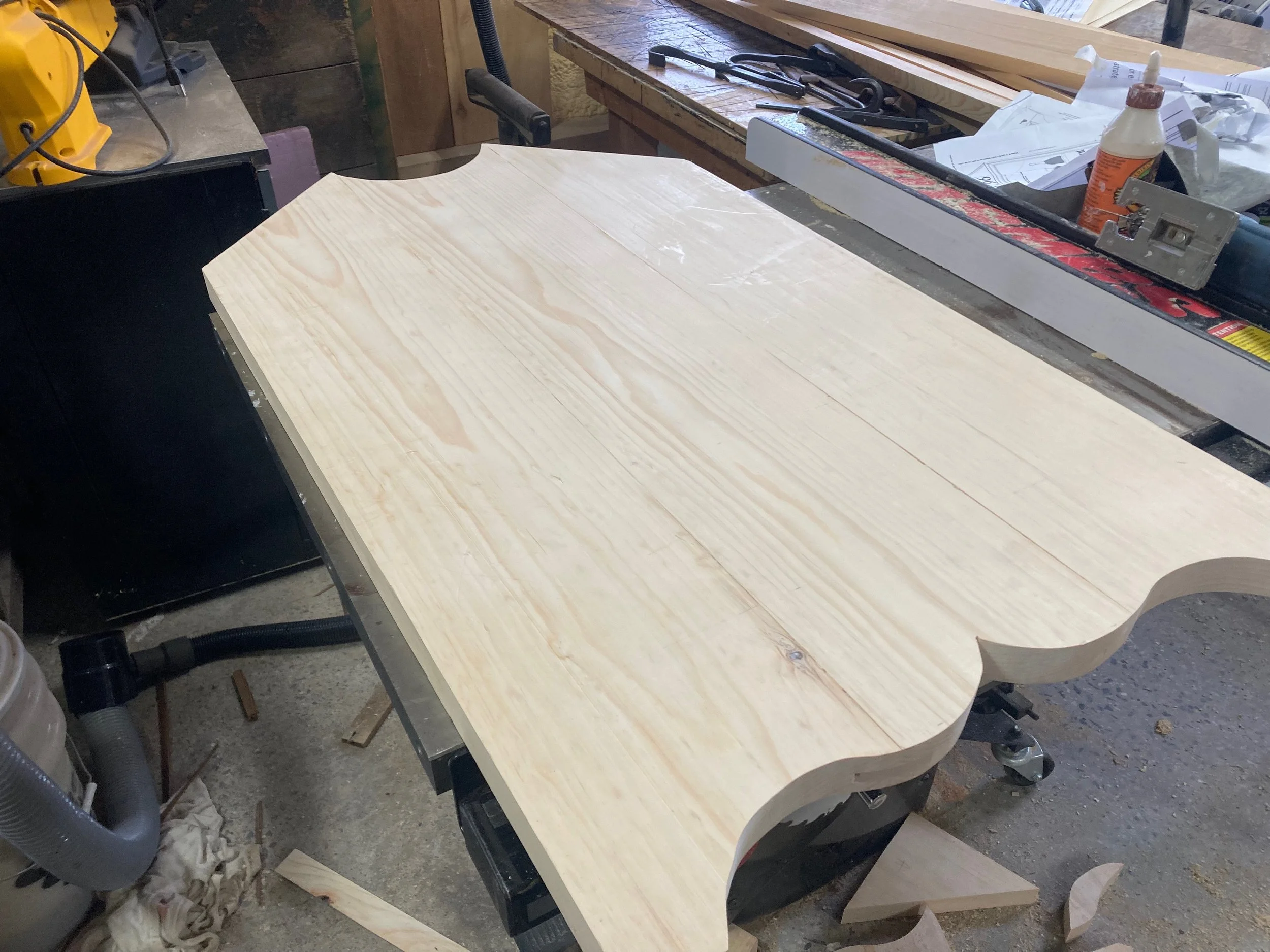
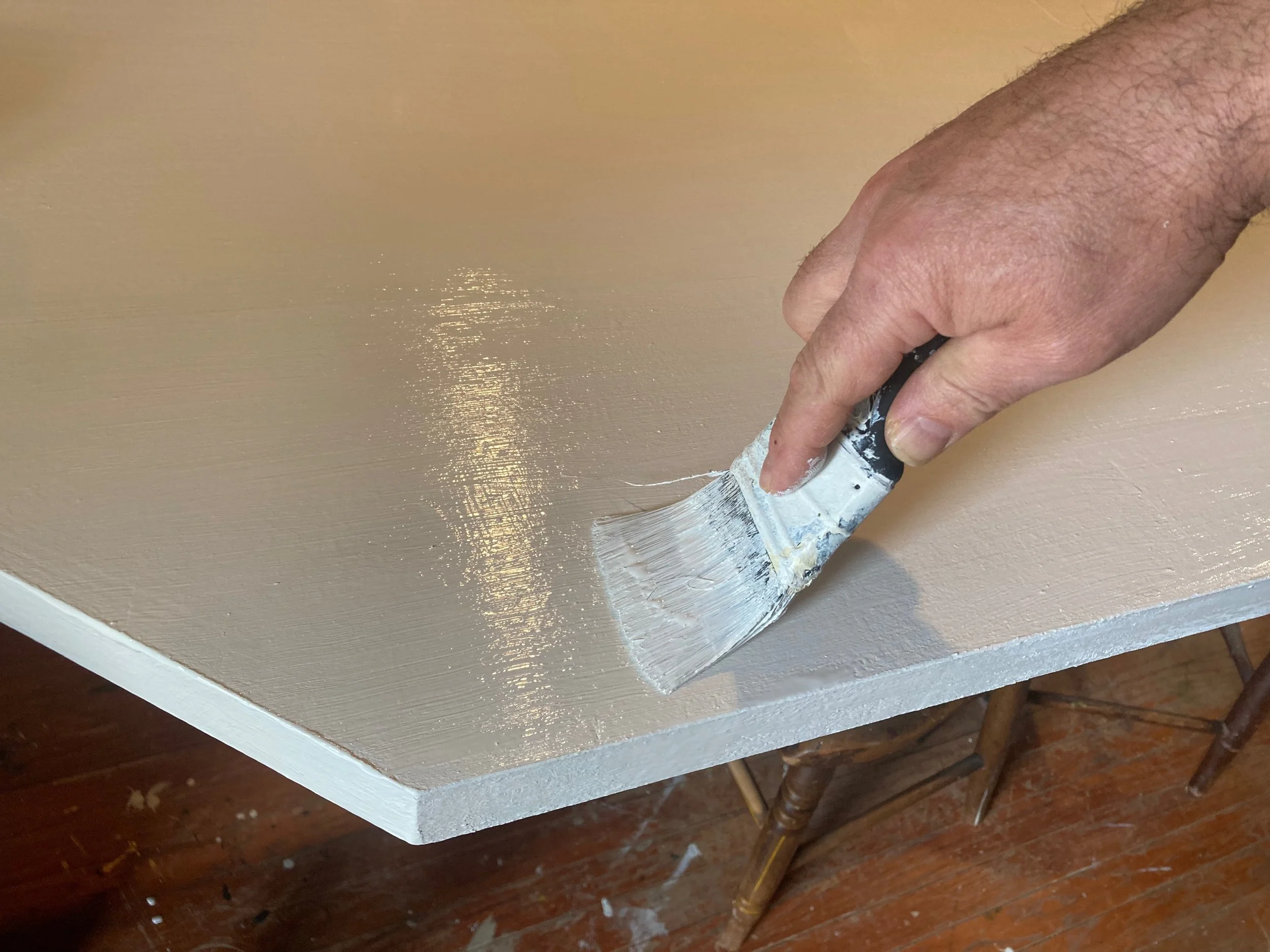
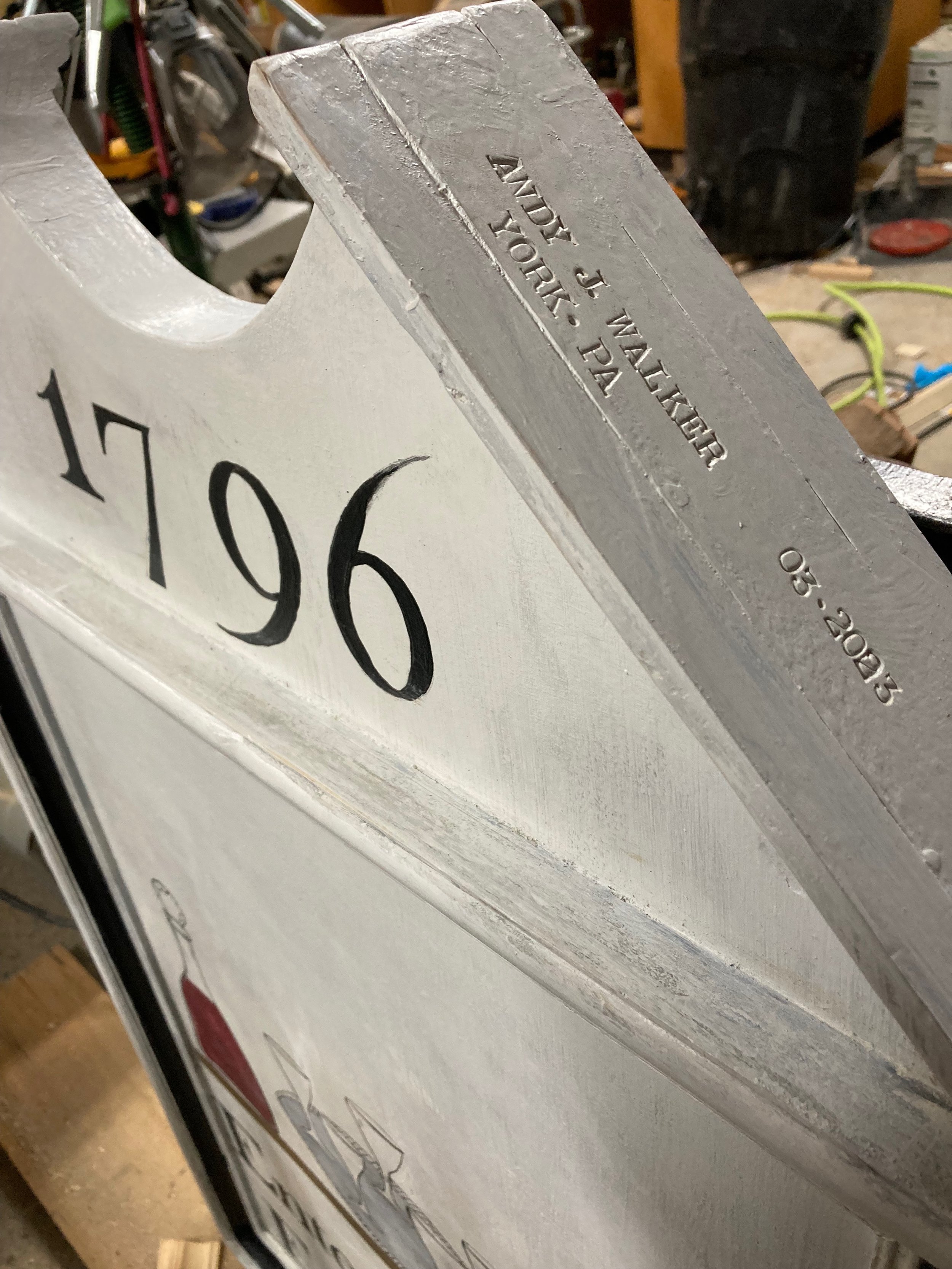
The main substrate of this sign was fashioned from clear white pine. In order to prevent warping, the stock was milled to a robust thickness and composed of several planks that were joined together by means of floating tenons. The subsequent priming and painting of the surface was performed, which was rather straight-forward. That said, recreating the custom molding to match that which was found on the historic artifact was a real challenge, demanding great care and research. There were two molding styles to replicate and my digital, scale renderings were extremely helpful in the recreation. Once these were created, they were primed, painted and affixed to the main substrate.








Concluding Thoughts
My wife and I hand-delivered the sign to Historic Deerfield and were immediately taken with the quiet charm of the town. Remnants of a recent snowstorm lingered in intermittent snowbanks, scattered among a mosaic of historic buildings that stretched out before us. Along Old Main Street, towering hardwood trees intertwined with the preserved structures, each one thoughtfully and majestically positioned on either side of the road.
At the center of it all stood Deerfield Academy, alive with activity in what was otherwise a remarkably serene place. Over the three days we spent walking through Historic Deerfield, it became clear that both residents and visitors alike took great pride in their surroundings. More than once, I felt as though I had been transported back to the 1700s. It took very little imagination—the environment is, quite simply, true to form.
In that context, the sign I made is a modest one, particularly in its design. Surrounded by a town that has been preserved, restored, and maintained for centuries, the sign may initially seem understated—perhaps even unimpressive. But that restraint is intentional. Most tavern signs of the 18th and 19th centuries were meant to be simple and direct: wooden boards bearing objects or symbols that conveyed what one might find inside, perhaps accompanied by the name of the establishment or its keeper. Their purpose was communication, not ornament—function over aesthetics.
While the Barnard Tavern no longer serves the role it once did, it has taken on a new and meaningful purpose. Today, it educates visitors about its place in history, illuminating how Americans once lived, gathered, and interacted—locally, regionally, and beyond. If my sign plays even a small part in supporting that mission, in fostering curiosity and appreciation for the past, then I consider the work a success.